

At the office of Signature Dental Care, we prioritize keeping your natural teeth whenever it’s safe and practical to do so. Still, there are circumstances when removing a tooth is the healthiest option: for relieving pain, preventing infection, or protecting the long-term stability of your bite. This page explains why extractions are sometimes necessary and how we approach them with care and clarity.
Decisions about removing a tooth are never made lightly. Our team combines a careful clinical exam with up-to-date imaging and a full review of your medical history to determine whether an extraction is the best path forward. When removal is recommended, we focus on minimizing discomfort and preserving surrounding teeth and tissues.
Reading through the sections below will help you understand common reasons for extractions, what happens before and during the procedure, and how to support healing afterward. We aim to give patients clear, practical information so you feel informed and confident about your care.
Primary teeth that are not making way for adult teeth
Sometimes a baby tooth remains firmly fixed in place instead of loosening as the permanent tooth beneath it develops. If that retained tooth is preventing normal eruption or shifting adjacent teeth, we may recommend removing it to allow the permanent tooth to follow its proper path and support healthy development.
Teeth too damaged by decay to be restored
Decay that has progressed beyond repair can leave a tooth structurally unstable or infected. When a tooth no longer has enough healthy structure to support a filling or crown, extraction can prevent further spread of infection and protect nearby teeth and gums.
Severe fractures or cracks that compromise the tooth
Not all fractures can be saved. If a break extends below the gumline, splits the root, or otherwise leaves the tooth unsalvageable, removal may be the most predictable way to resolve pain and reduce risk to adjacent structures.
Advanced periodontal disease affecting tooth support
Gum disease that progresses to the point of significant bone loss can leave teeth loose and painful. When the supporting tissues are irreparably damaged, extraction is sometimes the only option to restore oral health and plan for future replacement if desired.
Impacted or problematic wisdom teeth
Third molars commonly lack room to erupt fully and can become impacted, decay-prone, or a source of chronic irritation to nearby teeth and gums. Removing these troublesome teeth early can prevent future complications and preserve the alignment of surrounding teeth.
Extractions as part of orthodontic planning
In some orthodontic cases, removing one or more permanent teeth creates space to align the bite more predictably. When extractions are indicated for orthodontic reasons, we coordinate closely with your orthodontist to support an efficient, stable outcome.

Before any procedure, we complete a thorough assessment to determine the simplest, safest path forward. That evaluation includes a clinical exam, relevant digital radiographs to view root anatomy and bone levels, and a review of your medical history and medications. These steps help us predict potential challenges and plan for a smooth procedure.
Certain health conditions and medications can influence how we manage an extraction: anticoagulants, recent joint replacements, or cardiac conditions, for example. If special precautions or medical clearance are needed, we’ll explain why and coordinate with your physician so care is safe and well-informed.
We will review anesthesia and comfort options before you agree to treatment. Most extractions are completed with local anesthesia; for anxious patients or complex cases, we can discuss oral or nitrous oxide sedation to help you stay relaxed during the procedure.
A simple extraction is performed when a tooth is fully visible in the mouth and the roots look straightforward on x-ray. Once the area is numb, the dentist gently loosens surrounding tissues and removes the tooth with forceps. The procedure is typically quick, and most patients experience minimal discomfort during and after the appointment.
Surgical extractions are recommended when a tooth is broken at the gumline, impacted beneath the bone, or when root anatomy is complex. This approach can involve a small incision in the gum and, if necessary, careful removal of a tiny amount of bone to access the tooth. These cases may be handled in-office or referred to an oral surgeon depending on complexity and patient needs.
Whether simple or surgical, our team outlines what to expect before, during, and after the procedure so you can make an informed decision and plan for recovery with confidence.

Healing after an extraction follows predictable stages, and most patients return to normal activity within a few days. Your body forms a protective blood clot in the socket that supports tissue repair; protecting this clot during the first 48–72 hours is the single most important factor in preventing complications like dry socket.
We provide clear, written post-operative instructions tailored to your procedure. These instructions cover pain control, activity limitations, and signs that warrant a follow-up visit. If you were prescribed antibiotics or pain medication, handle them exactly as directed and contact us if you have concerns about side effects.
Good oral hygiene supports recovery, but it’s important to be gentle around the surgical site. Brushing and rinsing routines will be adjusted in the early days to avoid disturbing the healing tissues while still maintaining overall cleanliness.
Control bleeding with gauze pressure
We will place gauze over the extraction site and ask you to bite gently to help form a clot. Replace the gauze as instructed and maintain pressure for the recommended intervals. Some light oozing up to 24 hours is normal; persistent, heavy bleeding should prompt a call to our office.
Take care until numbness wears off
Avoid chewing, hot drinks, and touching the area until the local anesthetic has fully worn off to prevent accidental bites to the lips, cheeks, or tongue.
Follow medication instructions
If antibiotics are prescribed, complete the full course. For pain control, taking an over-the-counter or prescribed analgesic before the anesthesia wears off often keeps discomfort minimal. Use prescription pain medication only as directed.
Protect the clot: no rinsing or straws initially
Avoid vigorous rinsing, spitting, or using a straw for the first 24–48 hours, as suction can dislodge the clot and delay healing.
Manage swelling with ice
Apply an ice pack to the cheek in 10-minute cycles during the first day to help limit swelling. Swelling often peaks on day two and then gradually subsides.
Avoid tobacco and vaping
Smoking interferes with clot formation and increases the risk of delayed healing and complications. Avoid all tobacco products for at least one week after surgery if possible.
Choose soft, moderate-temperature foods
Stick to soft foods and cool or lukewarm liquids for the first few days. Gradually reintroduce firmer textures as comfort allows.
Keep your mouth gently clean
After the initial 24 hours, a mild saltwater rinse can help keep the area fresh. Brush carefully and avoid aggressive cleaning near the surgical site until directed otherwise.
Attend your follow-up appointment
If stitches were placed or if the extraction was complex, we’ll schedule a follow-up to monitor healing. Keeping this appointment helps ensure any issues are addressed promptly.
If you notice increasing pain, persistent heavy bleeding, fever, or an unusual taste that suggests infection, contact our office for advice and appropriate follow-up care.
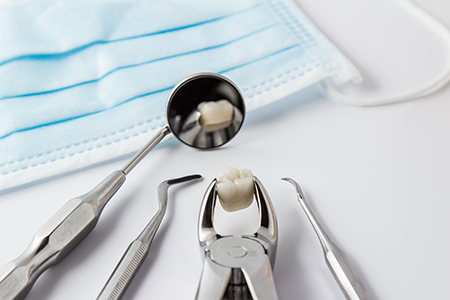
Wisdom teeth often present unique challenges because of their late arrival and variable positioning. Impacted or partially erupted third molars can harbor bacteria, damage adjacent teeth, or cause pain. We evaluate each wisdom tooth individually and recommend removal when doing so reduces future risk or addresses current problems.
When extractions are planned to aid orthodontic treatment, timing and tooth selection are coordinated with your orthodontist to achieve the best functional and aesthetic results. Our approach emphasizes preserving facial balance and bite harmony while creating the space necessary for predictable tooth movement.
In complex medical situations, such as certain heart conditions or bleeding disorders, extractions are planned with extra precautions. We communicate with your medical providers when necessary to make sure your dental care fits safely into your overall health plan.
Patients come to us for careful clinical judgment, clear communication, and a calm, patient-centered experience. Our goal is to perform extractions with precision while minimizing discomfort and protecting surrounding teeth and tissues. We explain every step and tailor care to your health needs and comfort preferences.
If a missing tooth will be replaced, we offer a range of restorative options, from removable dentures and fixed bridges to dental implants, and will review the pros and timing of each approach so you can plan the restoration that best fits your goals.
At Signature Dental Care, we balance modern techniques with a gentle touch so that necessary treatment is efficient, predictable, and respectful of your comfort. Our team is available to answer questions and guide you through each phase of care.
Curious how this pairs with other care? Learn more about our Dental Fillings and Implant Dentistry.
To learn more about extractions or to discuss your specific situation, please contact us for more information.


Your dentist may recommend an extraction when keeping the natural tooth would threaten your oral health. Common reasons include severe decay that makes a tooth nonrestorable, extensive fracture or root damage, advanced periodontal disease with loss of supporting bone, impacted or problematic wisdom teeth, and retained baby teeth that impede normal development. Extractions can also be part of an orthodontic plan when overcrowding prevents proper alignment.
Deciding on extraction involves a clinical exam and diagnostic imaging to evaluate tooth structure, root anatomy, and surrounding bone. Your dentist will review alternatives such as endodontic treatment or restorative procedures when appropriate and will recommend extraction only when those options are unlikely to succeed or would pose greater risk. The goal is always to preserve natural teeth when it is safe and predictable to do so.
A simple extraction is performed on a tooth that is visible in the mouth and has an uncomplicated root structure. After the area is anesthetized, the dentist loosens the tooth with instruments and removes it with forceps in a straightforward manner. This procedure is typically faster and less invasive than a surgical extraction.
Surgical extraction is indicated for teeth that are broken at the gum line, ankylosed, impacted, or have complex root anatomy. The dentist or an oral surgeon may make a small incision in the gum and remove a portion of bone to access the tooth, then suture the site as needed. Surgical cases may require additional preoperative planning, imaging, and discussion of sedation or referral to a specialist.
Before an extraction, you should provide a complete medical and medication history so the team can identify any precautions, such as the need for antibiotic prophylaxis or medical clearance. Follow any specific preoperative instructions from the office, including guidance about fasting only if you plan to use sedation or general anesthesia. Notify the practice if you develop a cold, fever, or other illness on the day of the procedure.
If you expect to receive sedation, arrange for a responsible adult to drive you home and remain with you for the first few hours after the appointment. Wear comfortable clothing and avoid smoking for at least 24 hours before surgery when possible, as tobacco use can negatively affect healing. Bring a list of current medications and any questions about post-operative care to your visit.
On the day of the extraction, the dentist will confirm your medical history and numb the area thoroughly with a local anesthetic so you should not feel sharp pain during the procedure. For simple extractions the tooth is loosened and removed with forceps, while surgical extractions may involve small incisions and bone removal for access. Additional sedation options can be discussed beforehand for patients who experience anxiety or require longer procedures.
The length and complexity of the appointment depend on the tooth's condition and whether a referral to an oral surgeon is necessary. Your dentist will provide instructions about gauze pressure immediately after removal to control bleeding and will explain expected sensations such as pressure, vibration, and numbness as the anesthesia wears off. Clear post-operative directions will be given to support comfort and healing at home.
Although extractions are routine, they carry potential risks such as prolonged bleeding, infection, swelling, delayed healing, and dry socket, which is a painful disruption of the blood clot. Other less common complications include temporary or permanent nerve injury, particularly with lower wisdom teeth, and sinus communication when removing upper posterior teeth. The likelihood of complications increases with certain health conditions and with heavy tobacco use.
Your dentist will review risk factors specific to your case and take steps to minimize complications, such as prescribing antibiotics when indicated and providing clear post-operative instructions. Prompt follow-up care and adherence to wound care recommendations reduce the chance of adverse outcomes. If unusual symptoms develop, contacting the office early helps ensure timely management.
In the first 48 hours you should maintain firm but gentle pressure on the extraction site with gauze as directed to help the clot stabilize and limit bleeding. Avoid rinsing vigorously, spitting, using a straw, or sucking on hard candies, since these actions can dislodge the clot and lead to dry socket. Use an ice pack intermittently for the first day to reduce swelling and stay on a soft, lukewarm diet until comfortable.
Take medications exactly as prescribed for pain and infection prevention, and avoid nonprescribed aspirin immediately after surgery because it can increase bleeding. Begin gentle oral hygiene the day after surgery by carefully brushing unaffected areas and using a mild saltwater rinse as instructed to keep the area clean. Do not smoke for at least one week, as tobacco delays healing and raises the risk of complications.
Contact the office promptly if you experience persistent heavy bleeding that soaks through gauze after several hours, a high fever, worsening or uncontrolled pain despite medication, or any signs of spreading infection such as increasing redness and swelling. You should also call if you notice unusual drainage, a bad taste that does not improve, or new numbness that lasts beyond the expected recovery period. If sutures come loose or tissue changes appear concerning, the practice should evaluate the site.
For routine concerns such as questions about medication timing or activity restrictions, the dental team can provide guidance by phone and schedule an in‑office follow-up if necessary. Timely communication helps the dentist address complications early and supports a smooth recovery. Emergency contact procedures will be outlined before your procedure so you know how to reach the team after hours.
Initial soft tissue healing generally occurs within one to two weeks, during which the gum tissue closes over the extraction socket and discomfort typically decreases. Underlying bone fills in more slowly; significant bone remodeling and maturation can take several months to a year depending on the size of the socket and individual healing factors. Most patients can return to normal light activities within a few days and resume more vigorous exercise as advised by the dentist.
Factors that affect healing include overall health, smoking status, oral hygiene, the presence of infection at the time of extraction, and whether the procedure was simple or surgical. Following post-operative instructions, attending scheduled follow-up visits, and avoiding tobacco use improve healing outcomes. Your dentist will monitor progress and recommend the appropriate time frame for any further restorative treatment.
Whether a missing tooth requires replacement depends on its location, function, and the effect on adjacent teeth and bite alignment. Common replacement options include dental implants, fixed bridges, and removable dentures, each with different clinical indications and timelines. The dentist will review how the gap may affect chewing, speech, and long-term oral health before recommending one or more suitable options.
Implants often provide the most natural feel and preserve bone, while bridges and dentures can be effective alternatives when implants are not appropriate. Timing for replacement can vary; some situations allow immediate placement of an implant or a temporary restoration, while others require healing time to resolve infection and promote tissue recovery. Your dentist will explain the pros and cons and coordinate any specialist care needed to restore function and aesthetics.
Signature Dental Care offers extractions with an emphasis on patient comfort, evidence-based techniques, and careful treatment planning using modern diagnostic imaging. The team collaborates with oral surgeons and specialists when complex surgical care is indicated and discusses sedation options for patients who prefer or require additional anxiety control. Thorough preoperative evaluation and clear communication help patients understand their treatment and recovery expectations.
The practice provides personalized post-operative instructions and follow-up care to support predictable healing and to discuss tooth replacement options when appropriate. Patients benefit from a coordinated approach that prioritizes conservative decision-making and long-term oral health. If you have questions specific to your case, the office will review your history and imaging to offer a tailored recommendation.

One dentist, twenty years of experience, and a practice built around knowing you by name.
At Signature Dental Care, every visit is with Dr. Jessy Ajram herself. Trained in endodontics and advanced aesthetic dentistry, she handles everything from a routine cleaning to a root canal or a full smile redesign in one place, so you are never passed between providers or sent across town for a referral.
Our office is on Needham Street in Newton, with a parking lot and easy access by bus or train. New patients can call (617) 221-3811 or book online; current patients can reach us the same way or email info@signaturedentalnewton.com. If something hurts, call first and we will find you time.
Elevated dentistry and exceptional service, based in Newton, MA and welcoming patients throughout Greater Boston.
Schedule OnlineFax