

When a tooth has been affected by decay or a minor fracture, a modern composite filling offers a way to restore form and function without calling attention to the repair. These tooth-colored resins are carefully blended to match your enamel and can be shaped to replicate natural contours, so the treated tooth looks and performs like the others in your mouth.
Composite materials are versatile: they bond to both enamel and dentin, which helps rebuild a tooth while reinforcing it. That adhesive bond supports the remaining tooth structure and creates a tight seal that minimizes the chance of bacteria re-entering the treated area. For many patients, this combination of strength and discretion makes composites an appealing alternative to metal restorations.
At the office of Signature Dental Care, we select composite systems designed for long-term wear and esthetics. We aim to preserve as much healthy tooth as possible during preparation and to finish each restoration so it blends seamlessly with your bite and smile.
One of the most obvious benefits of composite fillings is their appearance: because the material is shaded to match your teeth, restorations are subtle and blend naturally with surrounding enamel. For people who want a discreet solution, composites eliminate the visual contrast associated with traditional metal fillings.
Composites are also mercury-free and metal-free, which is an important consideration for patients who prefer to avoid metal restorations for biocompatibility or aesthetic reasons. Beyond appearance, the bonding process used with composites often requires removing less healthy tooth structure than older filling techniques, which supports a more conservative treatment approach.
Finally, because composite resins adhere directly to the tooth, they can help restore structural integrity while offering resistance to wear. With appropriate oral hygiene and routine dental care, these restorations can function reliably for many years while maintaining a natural look.

A filling is typically recommended when decay or minor damage affects the enamel and underlying dentin but the tooth still has enough healthy structure to be preserved. Early-stage cavities discovered during an exam or on X-rays are often excellent candidates for direct composite repair, which halts progression and restores the tooth’s function.
Not every area of damage requires the same treatment. Very small lesions may be monitored or treated conservatively, while larger defects could call for inlays, onlays, or even a crown if the tooth’s integrity is compromised. Your dentist will evaluate the size, location, and depth of the lesion and consider factors such as chewing forces and the tooth’s remaining strength before recommending the optimal restoration.
Timely intervention is important: addressing decay before it reaches the tooth’s pulp can prevent the need for more extensive procedures. Regular checkups and digital imaging make it easier to catch issues early, when a simple composite filling can be the most effective and least invasive solution.
Decisions about treatment are individualized. The clinical exam, diagnostic images, and a conversation about your goals and comfort will guide the recommendation so you receive the most appropriate, long-lasting care.
Most composite fillings are completed in a single visit. After a thorough examination and any necessary X-rays, the area is numbed with a local anesthetic to keep you comfortable. Once the tooth is ready, the practitioner removes the decayed tissue with precision instruments, taking care to conserve healthy enamel and dentin.
The composite resin is applied in small, controlled layers. Each layer is sculpted to re-establish the tooth’s shape and then cured with a special light to harden the material. This incremental technique allows us to match the tooth’s natural anatomy and ensure a balanced bite when you close.
Finishing touches include trimming and polishing the restoration to produce a smooth surface that resists staining and feels comfortable against the tongue and adjacent teeth. During the appointment, we’ll check your bite and make any needed adjustments so chewing feels natural.
For patients who experience dental anxiety, sedation options are available and can be discussed in advance. Our team takes time to explain each step, answer questions, and create a calm, predictable experience from start to finish.
After your procedure, it’s normal to have some numbness from the anesthetic; avoid chewing on the treated side until sensation returns to prevent accidental bites. Mild sensitivity to hot and cold can occur for a few days as the tooth settles, but this typically diminishes on its own. If sharp pain, prolonged sensitivity, or discomfort when biting develops, schedule an evaluation so any necessary adjustments can be made.
Maintaining a restoration is similar to caring for a natural tooth: brush twice daily with fluoride toothpaste, floss daily, and keep up with regular professional cleanings and exams. These habits help reduce the risk of new decay at the margins of the filling and extend the life of the restoration.
Fillings can wear over time depending on bite forces, diet, and oral hygiene. Early detection of wear or marginal breakdown allows for straightforward repairs or replacements before more complex treatment is needed. During routine visits, your clinician will monitor restorations and recommend timely care to preserve your overall oral health.
For patients seeking personalized guidance or wanting to discuss restorative options, Signature Dental Care can provide an assessment and explain the approach that best fits your clinical needs and aesthetic goals.

Curious how this pairs with other care? Learn more about our Ceramic Crowns, Extractions, and Restorative Dentistry.
Our objective is to restore teeth in a way that looks natural, feels comfortable, and supports long-term oral health. If you have questions about composite fillings or would like to learn whether they are right for you, please contact us for more information.
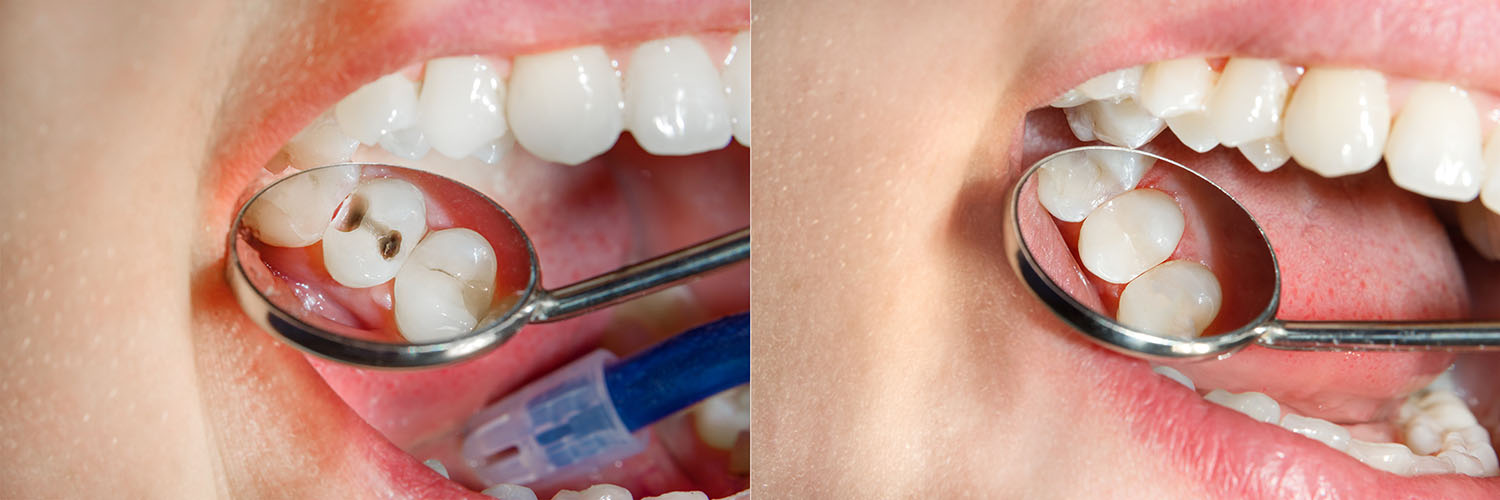


Composite fillings are tooth-colored restorative materials made from a resin matrix and glass or ceramic fillers that repair cavities and restore tooth shape. They are designed to bond chemically to enamel and dentin, creating a seal that helps prevent recurrent decay. Because composites are shade-matched to surrounding teeth, they provide a natural appearance while restoring function.
During placement, the composite is applied in layers and each layer is hardened with a curing light to build strength and proper anatomy. The bonded interface not only restores the tooth but also helps reinforce remaining tooth structure. This layered approach allows the dentist to sculpt the restoration to closely match the tooth's contours and bite.
Composite fillings are frequently chosen because they blend with natural teeth and do not contain metal, which makes them mercury-free and more aesthetically pleasing for visible areas. Their adhesion to tooth structure often requires less removal of healthy enamel and dentin, allowing for more conservative treatment. Patients and clinicians also value the ability to shape and polish composites for a lifelike finish.
In addition to appearance, the bonding process can help distribute chewing forces more evenly and reduce the risk of further fracture compared with some traditional restorations. Composites are versatile and can be used for both small posterior restorations and front-tooth repairs. Advances in composite chemistry have improved wear resistance and color stability compared with earlier materials.
An initial exam and digital X-rays, when indicated, confirm the extent of decay and guide treatment planning. The dentist gently removes decayed tissue, isolates the tooth to keep it dry, and prepares the surface for bonding using a conditioning agent. Composite resin is placed in incremental layers, each of which is shaped and cured with a special light to achieve strength and proper anatomy.
After the material is fully set, the dentist refines the bite and polishes the restoration to a smooth finish that resists staining. Most simple restorations are completed in a single visit under local anesthesia for patient comfort. The process emphasizes precision and minimal removal of healthy tooth structure to support long-term tooth health.
Many patients experience little to no discomfort during a filling because local anesthesia numbs the treatment area and allows the dentist to work precisely. The sensation of pressure may be felt, but sharp pain is uncommon once the tooth is adequately anesthetized. For patients with anxiety or special comfort needs, options such as nitrous oxide or other sedation methods can be discussed to make the visit more relaxed.
We take time to explain each step of treatment and check that you are comfortable throughout the procedure, pausing as needed to address concerns. Postoperative sensitivity is normal for a few days as the tooth adjusts and the anesthetic wears off. If unexpected pain or prolonged sensitivity occurs, contact the office so the restoration can be evaluated and adjusted if necessary.
After a filling, it is normal to have temporary numbness until the local anesthetic wears off; avoid chewing on the side until sensation returns to prevent soft tissue injury. Mild sensitivity to hot, cold, or pressure can occur for several days as the tooth adapts, and this typically diminishes on its own. Good oral hygiene, including brushing twice daily and flossing once daily, helps protect the restoration and surrounding teeth from future decay.
Maintain regular dental checkups so the dentist can monitor the integrity of restorations and perform professional cleanings. If you notice persistent sensitivity, a rough spot, or a change in your bite, contact the office promptly for an evaluation. Early assessment allows minor adjustments or repairs that prevent more extensive treatment later.
The lifespan of a composite filling depends on factors such as the size and location of the restoration, the patient's bite forces, oral hygiene, and dietary habits. Smaller restorations on low-stress surfaces generally last longer, while larger fillings or those in heavy-chewing areas may experience more wear and require replacement sooner. Good oral care and regular dental visits significantly extend the functional life of a restoration.
Routine evaluations allow the dentist to detect microleakage, marginal staining, or wear before they become larger problems. If a filling shows breakdown or recurrent decay, replacement or alternative restorative options can be recommended. Proper maintenance and early intervention are key to predictable, long-lasting results.
A crown is often recommended when a tooth has extensive decay, a large existing restoration, or structural weakening that jeopardizes long-term strength. Crowns encase the entire visible portion of the tooth, providing greater protection against fracture and recurrent problems for teeth with significant loss of tooth structure. When a filling would require removal of a large amount of healthy tooth to achieve strength, a crown can be a more durable and protective solution.
Your dentist will evaluate factors such as remaining tooth structure, the tooth's position and function, and any previous restorative history to determine the best option. In some cases, a root canal-treated tooth may also benefit from a crown to restore stability and function. Treatment planning focuses on preserving the natural tooth while delivering a reliable outcome.
Common signs of a cavity include localized toothache, sensitivity to sweet, hot, or cold foods, and visible pits or dark spots on the tooth surface. Some cavities are asymptomatic in early stages and are detected during routine dental exams or on X-rays. Regular preventive visits are important because early detection allows for smaller, more conservative restorations and reduces the need for more extensive care.
If you notice persistent sensitivity, a new area of roughness, or a change in how your teeth come together when you bite, schedule an evaluation. The dentist will perform a clinical exam and take any necessary images to determine whether decay is present and recommend the most appropriate treatment. Prompt attention helps preserve tooth structure and avoid progression to more complex problems.
Composite fillings are widely used and considered safe for most patients, as they are free of metal and mercury. Modern composite resins have undergone extensive testing and are formulated to be biocompatible and durable for routine restorative use. They offer a reliable option for repairing decay while maintaining a natural appearance.
If you have specific material sensitivities or medical concerns, discuss them with your dentist so material choices can be reviewed and tailored to your needs. The dental team can explain the composition of available restorative materials and recommend the best option based on clinical requirements and personal considerations. Patient safety and material suitability are always part of treatment planning.
Predictable outcomes start with a thorough diagnostic exam, accurate imaging when needed, and careful treatment planning to select the appropriate restorative material and technique. Attention to isolation, bonding protocols, incremental placement of composite, and precise occlusal adjustment are all critical steps that influence the longevity of a restoration. Using proven materials and evidence-based techniques helps deliver consistent results.
The office of Signature Dental Care emphasizes patient education, preventive care, and routine maintenance so restorations are monitored and preserved over time. Regular recall visits allow the team to detect and address issues early, and the dental staff will provide personalized home care recommendations to protect both restorations and natural teeth. Clear communication and follow-up are essential parts of achieving durable, comfortable restorations.

One dentist, twenty years of experience, and a practice built around knowing you by name.
At Signature Dental Care, every visit is with Dr. Jessy Ajram herself. Trained in endodontics and advanced aesthetic dentistry, she handles everything from a routine cleaning to a root canal or a full smile redesign in one place, so you are never passed between providers or sent across town for a referral.
Our office is on Needham Street in Newton, with a parking lot and easy access by bus or train. New patients can call (617) 221-3811 or book online; current patients can reach us the same way or email info@signaturedentalnewton.com. If something hurts, call first and we will find you time.
Elevated dentistry and exceptional service, based in Newton, MA and welcoming patients throughout Greater Boston.
Schedule OnlineFax