

If a dentist tells you that a tooth needs root canal therapy, there’s no need to panic. Modern root canal treatment is a precise, well-established procedure designed to stop infection, relieve pain, and keep your natural tooth functioning for years to come. The experience is routinely comfortable thanks to improved anesthesia, instruments, and techniques.
At the office of Signature Dental Care we focus on delivering careful, evidence-based care with an emphasis on patient comfort and clear communication. Our approach is to explain your options, protect your overall oral health, and help you make confident decisions about preserving your smile.
A natural tooth helps maintain the alignment, strength, and appearance of your bite in ways that prosthetic replacements cannot fully replicate. When the inner tissues of a tooth are compromised, root canal therapy offers a way to keep that tooth rather than resorting to extraction. Preserving your own tooth often preserves chewing comfort, speech, and the shape of your face.
Advances in endodontic materials and techniques mean treated teeth can remain functional for many years with appropriate care. Successful treatment reduces the spread of infection to surrounding bone and soft tissues and lowers the likelihood of needing more extensive restorative work later.
Choosing to save a tooth with root canal therapy is generally guided by the tooth’s structural condition, the amount of supporting bone, and your personal dental goals. When a tooth can be predictably restored, treatment is typically recommended as the conservative option that prioritizes long-term oral health.

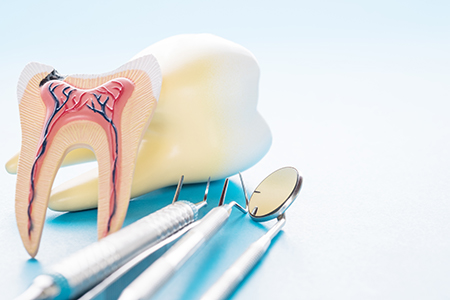
Inside each tooth is a soft core called the dental pulp, made up of nerves, blood vessels, and connective tissue. The pulp supports development early in life and signals problems once the tooth is fully formed. When bacteria reach this inner chamber through decay, cracks, or trauma, the pulp can become inflamed or die, and that infection can progress beyond the root tip into the supporting bone.
Not every painful or sensitive tooth requires a root canal, but certain patterns of symptoms commonly point to pulpal involvement. A careful exam and X-rays help determine whether the issue is reversible sensitivity, an infection that needs root canal therapy, or a problem originating from another source.
Because symptoms vary, it’s important to take warning signs seriously and seek prompt evaluation. Early diagnosis often means a simpler, more predictable treatment and a better chance of preserving the natural tooth.
Some of the most frequent signs that a tooth may need root canal treatment include:
Pain that lingers, intensifies when lying down, or wakes you at night can indicate deep decay or an inflamed nerve. While not every ache requires endodontic therapy, persistent pain merits prompt assessment.
Extended sensitivity to temperature, especially when the discomfort continues after the stimulus is removed, can be a sign the pulp is compromised and may no longer heal on its own.
Soreness on biting or tenderness to pressure often reflects inflammation or infection in the root system. This symptom should prompt a careful evaluation to determine the source.
A tooth that becomes darker after an injury or over time may have damaged inner tissues. Discoloration alone isn’t definitive, but when paired with other signs it can suggest pulpal issues.
A fractured or heavily broken tooth increases the risk that bacteria reach the pulp. Teeth with structural damage often need root canal treatment to remove infected tissue and allow for a durable restoration.
Localized swelling, a pimple-like bump on the gum, or drainage can be signs of an abscess, an advanced infection that needs timely care to prevent further complications.
Infection that affects the supporting bone can lead to mobility. Treating the source of infection and stabilizing the tooth can often restore function and comfort.

Prompt evaluation and treatment reduce the chance that an infection will spread or that surrounding structures will become damaged. When a tooth is treated before extensive bone loss or severe structural breakdown occurs, the work required afterward is usually less invasive and more predictable.
Not every problematic tooth announces itself with clear symptoms; some cases are discovered during routine exams or on X-rays showing changes around the root. That’s why regular dental care and timely follow-up for new symptoms are important components of protecting your oral health.
Delaying care can increase the likelihood of complications that make saving the tooth more difficult, so when root canal therapy is recommended, scheduling treatment at a reasonable pace supports the best long-term result.
Root canal therapy typically begins with a thorough exam and local anesthesia to ensure you are comfortable. Depending on the tooth and the situation, treatment may be completed in a single visit or over two appointments if infection control and restoration planning require it.
The dentist gains access to the inner chamber, removes inflamed or infected tissue, and meticulously cleans and shapes the root canals. Once the canals are disinfected, they are sealed with a biocompatible filling material to prevent reinfection. Finally, the tooth is prepared for a permanent restoration, often a crown, to return strength and function.
For patients with dental anxiety, sedation options are available and can be discussed during your consultation. In more complex cases, collaboration with an endodontic specialist may be recommended to ensure the highest level of expertise and predictability.
After the procedure, most patients experience relief from the toothache that led them to seek care. Mild soreness or sensitivity can occur for a few days as surrounding tissues heal; over-the-counter pain relievers and rest usually manage these symptoms. If a prescription is necessary, your dentist will provide clear instructions.
A temporary filling is often placed between appointments or before a permanent restoration. Because a treated tooth can be more prone to fracture without adequate coverage, placing a crown or another protective restoration in a timely manner is important for long-term success.
Good home care and regular dental visits help monitor healing and maintain the restored tooth. With proper attention, a tooth that has undergone root canal therapy can stay healthy and functional for many years.
Anesthesia can leave the mouth numb for a few hours. Avoid chewing until normal sensation returns to prevent biting soft tissue or damaging the temporary restoration.
Some tenderness around the treated tooth is common. Follow guidance on pain management and reach out if discomfort worsens or persists beyond the expected healing period.
If antibiotics or other medications are prescribed, take them exactly as directed. Ask your provider about any questions related to dosing or interactions.
Temporary fills are not as strong as a finished crown. Avoid hard or sticky foods on the treated side and use caution when chewing until your permanent restoration is placed.
Continue brushing and flossing carefully to support healing and prevent new problems. Good daily hygiene helps the treated tooth and surrounding tissues remain healthy.
Attend scheduled follow-up visits so your dentist can confirm healing and complete the restoration process. Periodic X-rays may be used to ensure the area around the root is stable.
When root canal therapy is performed and followed by a proper restoration and routine care, the treated tooth can serve you well for many years. If you notice new or worsening symptoms after treatment, contact your dental team for evaluation.
Curious how this pairs with other care? Learn more about our Ceramic Crowns, Emergency Treatment, and CBCT Imaging.
If you have questions about root canal therapy or think you may need an evaluation, please contact us for more information. Our team at Signature Dental Care in Newton, MA is here to help you understand your options and receive compassionate, effective care.


A root canal is a dental procedure that removes infected or damaged tissue from inside a tooth, cleans and shapes the canal system, and seals it with a biocompatible filling material. The treatment eliminates infection, prevents reinfection, and preserves the remaining natural tooth structure. By retaining the natural tooth, root canal therapy helps maintain proper chewing function and the alignment of surrounding teeth.
When performed with modern instruments and techniques, root canal therapy offers a predictable outcome and a high long-term success rate. The goal is to stop pain and infection while restoring the tooth so it can continue to function normally. At the office of Signature Dental Care we combine evidence based protocols and patient comfort measures to deliver care tailored to each case.
Common signs that a tooth may need a root canal include persistent or severe toothache, prolonged sensitivity to hot or cold, pain when biting, swelling around the affected tooth, and darkening or discoloration of the tooth. These symptoms often indicate inflammation or infection of the dental pulp, but they are not definitive on their own. Some teeth that require treatment may also show periapical changes on an X ray without obvious symptoms.
Because symptoms can vary and other conditions may cause similar discomfort, a comprehensive dental exam and radiographs are needed to confirm the diagnosis. Timely evaluation helps determine whether root canal therapy, monitoring, or an alternative approach is most appropriate. Prompt attention reduces the risk of complications from untreated infection.
During a root canal appointment the dentist numbs the area with local anesthesia and isolates the tooth to keep it dry and free of saliva. The tooth is opened to access the pulp chamber and canals, the diseased tissue is removed, and the canals are cleaned, shaped, and disinfected. Once prepared, the canals are sealed with a biocompatible material and a temporary or permanent restoration is placed to protect the tooth.
Some root canals are completed in a single visit while others require two or more appointments depending on complexity and the presence of infection. Advanced instruments, magnification, and irrigation protocols improve cleaning and efficiency, and sedation options are available for patients who experience anxiety. The dentist will explain the expected timeline and aftercare before the procedure begins.
Most patients find that having a root canal is no more uncomfortable than receiving a routine filling thanks to modern anesthesia and techniques. The procedure is designed to remove the source of pain, so many patients experience relief once treatment begins. Local anesthetic typically renders the tooth and surrounding tissues numb during the appointment.
It is common to feel mild to moderate soreness or tenderness in the days after the procedure as surrounding tissues heal, but this usually responds well to over the counter pain relievers and home care. If pain intensifies or new symptoms arise after treatment, patients should contact the dental office for prompt reassessment and management.
Before a root canal, review your medical history and provide a list of current medications so the dentist can assess any potential interactions or precautions. If you plan to use dental sedation, arrange for a responsible adult to drive you to and from the appointment and follow any fasting instructions provided by the office. Bring any recent X rays or records if you are transferring care from another provider.
On the day of treatment eat a light meal unless your dentist advises otherwise and dress comfortably to help you relax. If you have dental anxiety, discuss available sedation options and ask questions about the procedure to set expectations and reduce stress. Clear communication with the dental team helps ensure a smooth appointment.
After the appointment you may experience residual numbness for a short time and some mild soreness as tissues settle and inflammation subsides. The dentist may recommend over the counter analgesics and, when appropriate, prescribe antibiotics to address or prevent infection. It is important to follow post procedural instructions regarding eating, oral hygiene, and medication use.
The treated tooth may have a temporary filling until a definitive restoration such as a crown is placed to restore strength and protect the tooth from fracture. Avoid hard or sticky foods on the treated side until the permanent restoration is completed, and maintain good brushing and flossing to support long term healing. Schedule follow up visits as recommended to monitor healing and complete restorative care.
A tooth that has had root canal treatment can last many years or even a lifetime when it receives proper restorative care and the patient maintains good oral hygiene. The long term prognosis depends on factors such as the extent of pre existing damage, the quality of the root canal filling and final restoration, and regular dental maintenance. Well restored and cared for teeth often remain functional for decades.
Routine dental checkups and periodic radiographs help detect issues early, such as reinfection or restoration failure, so they can be addressed before significant problems develop. Prompt attention to new symptoms or changes in function improves the likelihood of preserving the treated tooth. Communication with your dentist about any concerns supports ongoing success.
While root canal therapy is highly successful, potential complications can include persistent or recurrent infection, fracture of the remaining tooth structure, or procedural challenges related to complex canal anatomy. In some cases a canal may be difficult to clean fully or an instrument may separate, which can complicate treatment. These outcomes are relatively uncommon and often manageable with further care.
If complications occur, options may include nonsurgical retreatment, surgical endodontic procedures such as an apicoectomy, or extraction when preservation is not feasible. Ongoing monitoring and timely follow up care reduce the chances that a minor concern becomes a major problem. Discussing risks and expected outcomes with your dental team helps set realistic expectations.
Alternatives to root canal treatment typically include extraction of the affected tooth followed by replacement with an implant, bridge, or removable prosthesis, or conservative monitoring in very limited scenarios. Choosing an alternative depends on the tooth's restorability, the extent of infection or structural damage, and the patient's overall oral health. Each option carries its own benefits and limitations regarding function, preservation of surrounding teeth, and long term maintenance.
Preserving a natural tooth with root canal therapy is often preferred when the tooth can be reliably restored because it maintains natural chewing efficiency and supports adjacent teeth. A thorough evaluation and discussion with the dentist will help determine the most appropriate plan that aligns with the patient's health goals and clinical situation.
Yes, teeth that have had prior root canal therapy can often be retreated if symptoms recur or radiographic signs of infection appear. Nonsurgical retreatment involves removing the existing root canal filling, inspecting and cleaning the canals more thoroughly, and resealing them; surgical approaches such as an apicoectomy are alternatives when retreatment is not feasible. The choice of approach depends on the cause of failure, tooth anatomy, and the condition of the restoration.
Success rates for retreatment are generally favorable when underlying issues are addressed and the tooth is properly restored afterward. A careful clinical and radiographic evaluation is required to determine the most predictable course of action. If you have questions about a previous treatment, contact the office for an assessment so the appropriate next steps can be recommended by the dental team at Signature Dental Care.

One dentist, twenty years of experience, and a practice built around knowing you by name.
At Signature Dental Care, every visit is with Dr. Jessy Ajram herself. Trained in endodontics and advanced aesthetic dentistry, she handles everything from a routine cleaning to a root canal or a full smile redesign in one place, so you are never passed between providers or sent across town for a referral.
Our office is on Needham Street in Newton, with a parking lot and easy access by bus or train. New patients can call (617) 221-3811 or book online; current patients can reach us the same way or email info@signaturedentalnewton.com. If something hurts, call first and we will find you time.
Elevated dentistry and exceptional service, based in Newton, MA and welcoming patients throughout Greater Boston.
Schedule OnlineFax