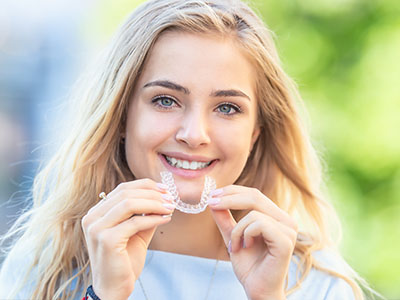
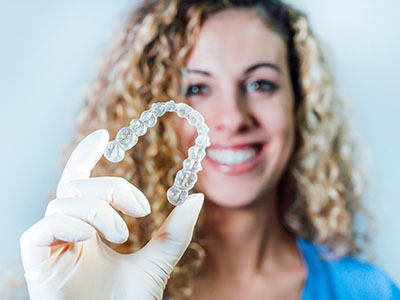
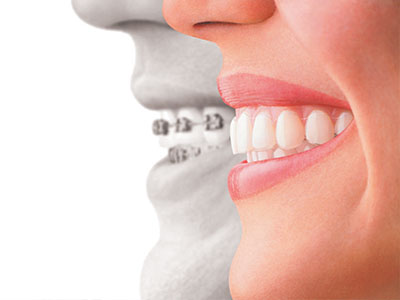
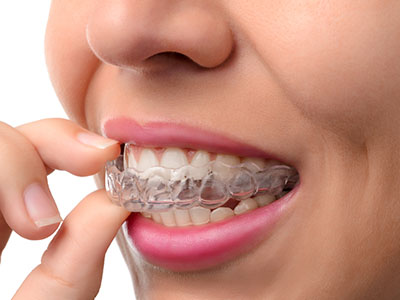
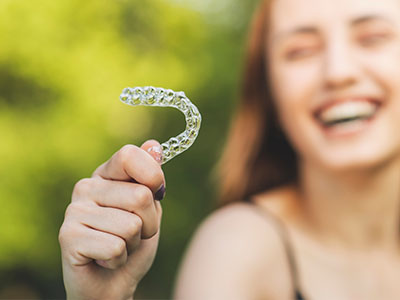
Invisalign® aligner therapy offers a modern alternative to traditional braces for many people who want to improve the alignment and function of their teeth with a discreet approach. By using a sequence of custom-created clear trays, this method gradually guides teeth into healthier positions while keeping treatment unobtrusive. The result is a more aligned bite and a smile that fits your lifestyle rather than the other way around.
Clear-aligner systems are designed to address a range of common orthodontic issues, from mild crowding and spacing to many bite irregularities, without the fixed wires and brackets associated with conventional braces. Because aligners are removable, they offer flexibility for adults and teens who want orthodontic results without changing the way they eat, brush, or socialize. That said, suitability is always determined on a case-by-case basis by a trained clinician.
During an initial evaluation, your provider will assess dental health, jaw alignment, and any restorative work that may affect movement. Good candidates generally have healthy gums and teeth free of untreated decay; patients with active periodontal disease or certain complex skeletal discrepancies may require alternative or supplementary treatments. A clear, clinical assessment helps set appropriate expectations about what aligners can realistically achieve.
Many people appreciate aligners for their subtle appearance and the convenience of removability, but the treatment still requires commitment. Consistent wear and adherence to the prescribed schedule are central to predictable results. Your clinician will recommend a tailored plan that balances clinical goals with your daily routine, ensuring the approach fits both your mouth and your life.
Today’s aligner therapy depends on detailed three-dimensional records and digital planning tools. A high-resolution intraoral scan replaces messy impressions in most practices, capturing the precise position of each tooth. Those scans are used to build a virtual model of how your teeth might move over time, allowing clinicians to visualize and refine each stage of the treatment plan before any aligners are fabricated.
Digital planning enables clinicians to map a sequence of controlled tooth movements, anticipate potential challenges, and incorporate adjuncts, such as attachments or interproximal reduction, when needed. This level of predictability helps minimize surprises during treatment and allows for more efficient, targeted adjustments should refinements be necessary as you progress through your aligners.
The technology also supports better communication: you can see projected outcomes and understand the rationale behind each step. While individual results vary, a detailed, clinician-led plan helps translate the digital projection into a practical timeline and clear checkpoints for monitoring progress.
Integrating aligner therapy into everyday life is straightforward for most patients. Aligners are designed to be worn throughout the day and night, and removed briefly for eating, drinking anything other than water, and for oral hygiene. Because they are transparent and contoured to your teeth, most people find they are much less noticeable than metal appliances.
Oral hygiene tends to be easier with removable aligners: brushing and flossing are performed as usual, and the trays themselves should be cleaned routinely to avoid staining and buildup. Small, simple habits (keeping a travel case handy, rinsing aligners after meals, and following cleaning instructions from your clinician) help maintain comfort and prevent interruptions to the treatment plan.
Regular check-ins with your clinician ensure movements are on track. If adjustments are needed, they can be made quickly, and your provider will advise on any supplementary techniques that may improve outcomes. Open communication and routine care are the keys to a predictable, low-disruption experience.
Clear aligners can manage a wide spectrum of tooth movements: closing gaps, leveling mild to moderate crowding, rotating teeth, and addressing many bite concerns. For complex skeletal problems or extreme crowding, aligners may be used in combination with other orthodontic strategies or surgical consultation. A thorough clinical evaluation will clarify which approach offers the safest, most effective outcome for your particular anatomy.
Certain adjuncts support aligner effectiveness. Small composite attachments bonded to teeth can provide additional grip for specific movements, while elastics may be incorporated to help correct bite relationships. Your clinician will explain which tools are appropriate and why, always focused on balancing predictable movement with preservation of tooth and periodontal health.
Successful treatment is built on realistic goals. Clinicians rely on measurable checkpoints to determine whether the case is tracking as planned and to identify when mid-course refinements are needed. This methodical approach reduces guesswork and helps guard against unwanted side effects.
Your personalized pathway begins with a focused consultation that reviews your dental history, a clinical exam, and the digital records needed for planning. After discussing functional and aesthetic goals, your clinician will outline a recommended sequence of care, describe how progress will be monitored, and provide guidance on daily habits that support results. This initial conversation is an opportunity to align expectations and make informed choices about next steps.
Once a plan is agreed upon, the practice will guide you through scans, fabrication of your first sets of aligners, and scheduling of routine progress visits. Throughout treatment, the team monitors tooth movement, checks fit, and addresses any questions that arise. At the end of active alignment, a retention phase is introduced to maintain the improved positions; retention strategies are a standard part of long-term treatment planning.
Signature Dental Care brings clinical experience, attention to detail, and patient-centered communication to every phase of care. We prioritize safety, predictable outcomes, and a comfortable patient experience, tailoring each plan to the individual rather than relying on a one-size-fits-all approach.

Your provider will evaluate oral health and capture precise digital records to inform the treatment plan.

See a visual roadmap of planned movements and expected milestones before aligners are manufactured.
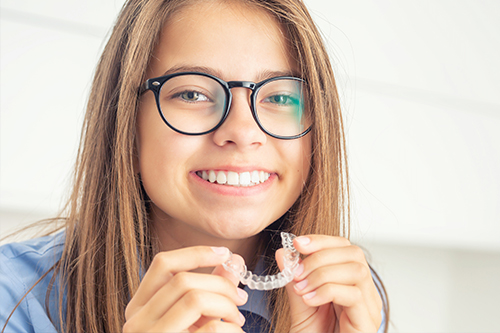
Each tray is produced to match the staged movements outlined in your individualized plan.

Your clinician will track progress, make adjustments as needed, and guide you through retention strategies.
Short, informative videos that demonstrate the aligner process and explain common clinical concepts
*Invisalign® is a registered trademark of Align Technology, Inc.
Curious how this pairs with other care? Learn more about our Cosmetic Dentistry and Teeth Whitening.
Want more detail on the process, costs, and what to expect? Visit our Invisalign resource center for before-and-after photos, cost information, and answers to common questions.
Ready to learn whether clear-aligner therapy is a fit for your smile? Contact us to request more information and to schedule a consultation with our team. We’ll review your options and help you make a confident, well-informed decision about care.
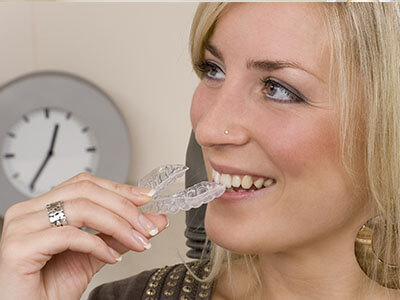

Invisalign® treatment uses a series of clear, removable aligners to gradually move teeth into their proper positions. Each aligner is custom-made from smooth, BPA-free plastic and fits snugly over the teeth to apply controlled pressure. Because the aligners are nearly invisible, many patients choose this option for its discreet appearance.
Treatment planning relies on digital 3-D imaging to map tooth movements and predict outcomes over the course of care. The technology allows your dental provider to design a step-by-step series of aligners that guide teeth to the desired positions. Aligners are removable for eating and oral hygiene, which helps maintain daily routines during treatment.
The Invisalign® process begins with a consultation and oral exam, during which your provider evaluates bite, tooth alignment and overall oral health. A fast digital scan or impressions are taken to create an accurate model of your teeth. Using specialized software, the team maps a customized treatment plan and produces a preview of projected tooth movement. This plan defines the number of aligners and the sequence of changes needed to reach the target result.
You will wear each aligner for a prescribed period, typically switching to the next set every one to two weeks as recommended by your provider. Regular checkups allow the dental team to confirm progress and make any necessary adjustments or refinements. If additional tooth movements are needed, revised aligners or attachments may be incorporated into the plan. When active treatment is complete, retainers are generally prescribed to protect and stabilize the new tooth positions.
Good candidates for Invisalign® include adults and responsible teens who have mild to moderate crowding, spacing, or bite irregularities. Complex skeletal discrepancies or severely rotated teeth sometimes require traditional orthodontics or surgical approaches. A comprehensive evaluation with dental and radiographic examination determines whether clear aligners are an appropriate option. Oral health issues such as untreated decay or gum disease should be addressed before starting aligner therapy.
Your doctor, such as Dr. Ajram in our practice, will review your medical and dental history and discuss realistic treatment goals during the consultation. Compliance with daily wear time is critical; aligners must be worn as directed to achieve the planned movements. If aligner therapy is not ideal, the team can recommend alternative treatment paths that best meet your clinical needs.
Treatment duration varies based on the complexity of the case, the number of teeth being moved and how consistently aligners are worn. Many adults complete treatment in approximately six to eighteen months, while simpler cases may finish sooner. Your provider will give a personalized estimate after reviewing your diagnostic records and treatment simulation.
Factors that can extend treatment time include missed wear hours, unexpected tooth movements and the need for refinements after the initial series of aligners. Maintaining recommended wear and attending scheduled appointments helps keep the plan on track. Once active alignment is finished, retainers are typically recommended to maintain the results long term. Periodic monitoring ensures stability and addresses any minor changes over time.
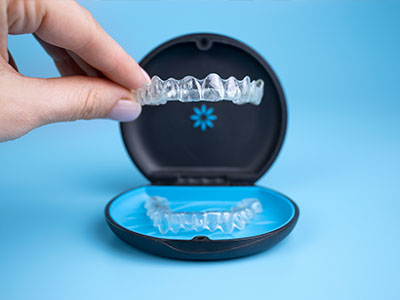
Clean aligners daily using a soft toothbrush and lukewarm water or the cleaning system recommended by your provider to prevent discoloration and bacterial buildup. Avoid hot water or abrasive cleaners that can warp the plastic. Brush and floss your teeth thoroughly before reinserting aligners to reduce the risk of decay and gum irritation. Storing aligners in their protective case when not in use helps avoid loss or damage.
Remove aligners to eat and drink anything other than plain water, and avoid chewing with them in place to protect both teeth and aligners. If an aligner becomes damaged or does not fit properly, contact the office to determine whether a replacement or adjustment is needed. Regular professional cleanings and dental exams remain important throughout treatment to support oral health.
Many patients notice a brief adjustment period when they first begin wearing aligners, which can include slight speech changes or a mild lisp that typically resolves within a few days. The aligner material is smooth and designed for comfort, so soreness is usually minimal and short-lived. Over-the-counter pain relievers and soft diet choices can help manage occasional tenderness after switching to a new aligner.
Attachments or small tooth-colored bumps may be placed on certain teeth to assist specific movements, and these can feel unfamiliar at first. If you experience persistent discomfort, difficulty speaking beyond the initial adaptation period, or problems with fit, contact the dental team for an evaluation. Prompt communication ensures adjustments can be made to maintain comfort and progress.
Follow-up visits are scheduled to monitor tooth movement, confirm aligner fit and provide the next sets of aligners according to the treatment timeline. During these visits, your provider checks periodontal health and the condition of restorations to ensure safe progression. The clinical team also reviews wear compliance and addresses any questions about day-to-day care. Periodic photos or scans may be taken to document progress and compare it to the original treatment plan.
If refinements are necessary, additional aligners can be designed to complete or fine-tune specific movements. Emergency or unplanned visits may be required if an aligner is lost, broken or causing sharp pain. The follow-up schedule helps prevent setbacks and supports predictable outcomes.
Invisalign® and traditional braces both move teeth effectively, but they differ in mechanics and patient experience. Clear aligners offer a discreet appearance and the convenience of removability for eating and oral hygiene. Braces use brackets and wires that can achieve certain complex movements more predictably in some cases. The ideal choice depends on the specific orthodontic needs, lifestyle considerations and clinical judgment.
In many situations, digital treatment planning with aligners provides a clear roadmap and the ability to preview projected results. Braces may be preferred for significant bite corrections or when absolute control of tooth rotation is required. Your dental provider will explain the pros and cons of each option and recommend the approach most likely to deliver a stable, healthy outcome.
Invisalign® is suitable for many teens, and Align Technology offers specific solutions tailored to adolescent patients to address common alignment issues. Growth and the presence of erupting teeth are important considerations in younger patients, so careful monitoring is necessary throughout treatment. Compliance is essential, and some teen-specific aligner systems include indicators or features to support wear time. In cases of active jaw growth or very complex malocclusions, traditional orthodontics may be recommended instead.
Parents and caregivers play an important role in encouraging consistent wear and attending appointments with their teen. The dental team will coordinate timing and treatment mechanics to accommodate developmental changes and dental eruption patterns. Regular check-ins help ensure the plan remains appropriate as the teen grows.
To get started with Invisalign® treatment at Signature Dental Care, schedule a consultation with our Newton, MA office by calling (617) 221-3811 or emailing info@signaturedentalnewton.com. During the first visit we perform a comprehensive exam, review medical and dental history and take a digital scan or impressions. This visit helps establish whether aligner therapy is the most suitable option for your smile goals.
If you proceed, the team will present a personalized treatment plan that outlines the expected tooth movements and timeline, and you will be shown a visual preview of projected results. The practice uses advanced digital technology to design custom aligners and to monitor progress through treatment. Our staff will explain wear instructions, care routines and follow-up scheduling so you feel prepared and supported. Starting with a clear plan helps create predictable, long-lasting outcomes.

One dentist, twenty years of experience, and a practice built around knowing you by name.
At Signature Dental Care, every visit is with Dr. Jessy Ajram herself. Trained in endodontics and advanced aesthetic dentistry, she handles everything from a routine cleaning to a root canal or a full smile redesign in one place, so you are never passed between providers or sent across town for a referral.
Our office is on Needham Street in Newton, with a parking lot and easy access by bus or train. New patients can call (617) 221-3811 or book online; current patients can reach us the same way or email info@signaturedentalnewton.com. If something hurts, call first and we will find you time.

Elevated dentistry and exceptional service, based in Newton, MA and welcoming patients throughout Greater Boston.
Schedule OnlineFax